[ CUSTOM SAAS · LEGAL TECH · HEALTHCARE ]
We build custom SaaS platforms for founders in legal tech and healthcare. TypeScript on Next.js and Postgres, Stripe billing, documents kept in your own cloud account. Fixed scope and a date in writing. The code and every account are in your name from the first milestone.
Scope my platform with a founderFree scoping call with a founder. You keep the written scope either way.
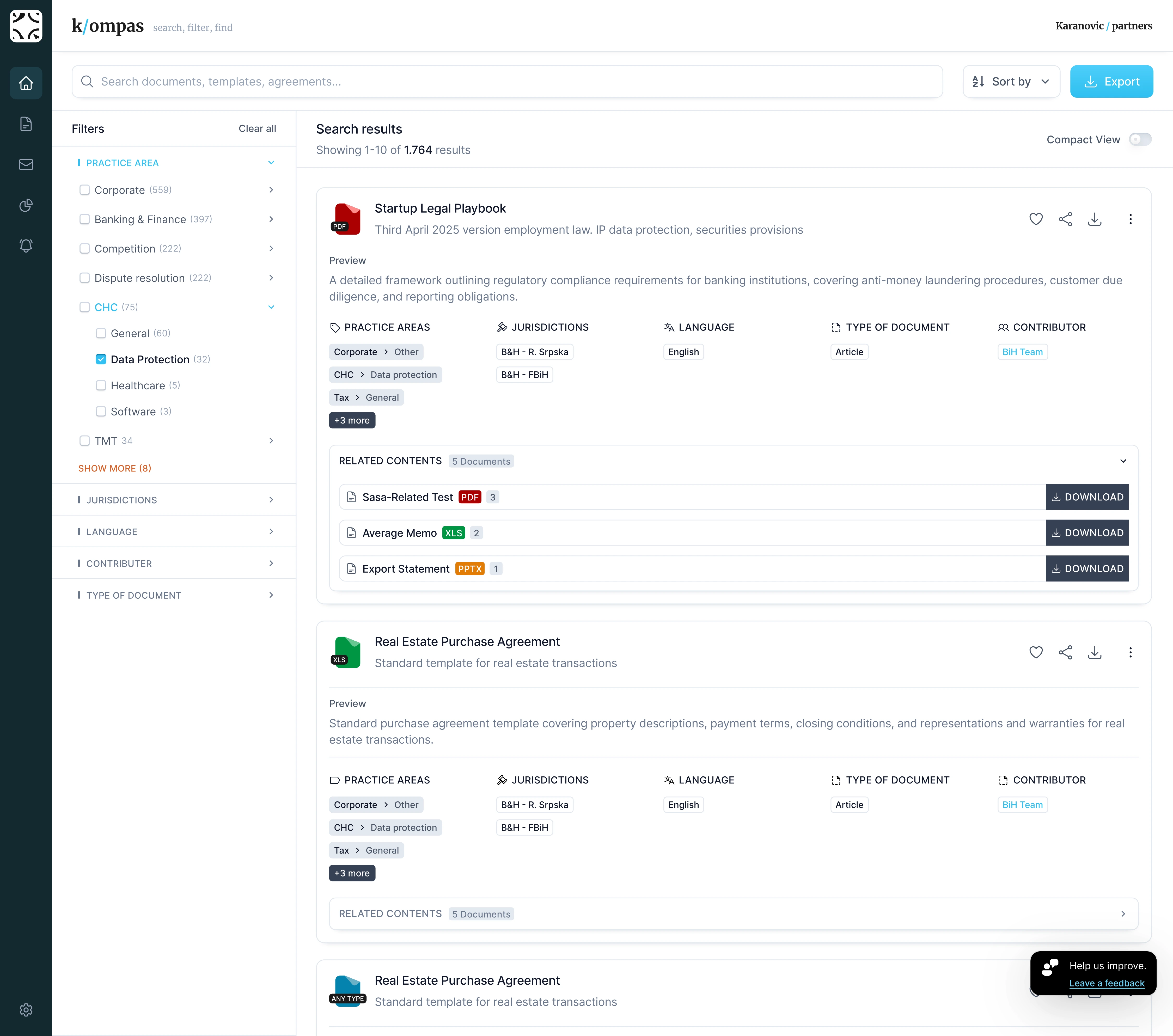
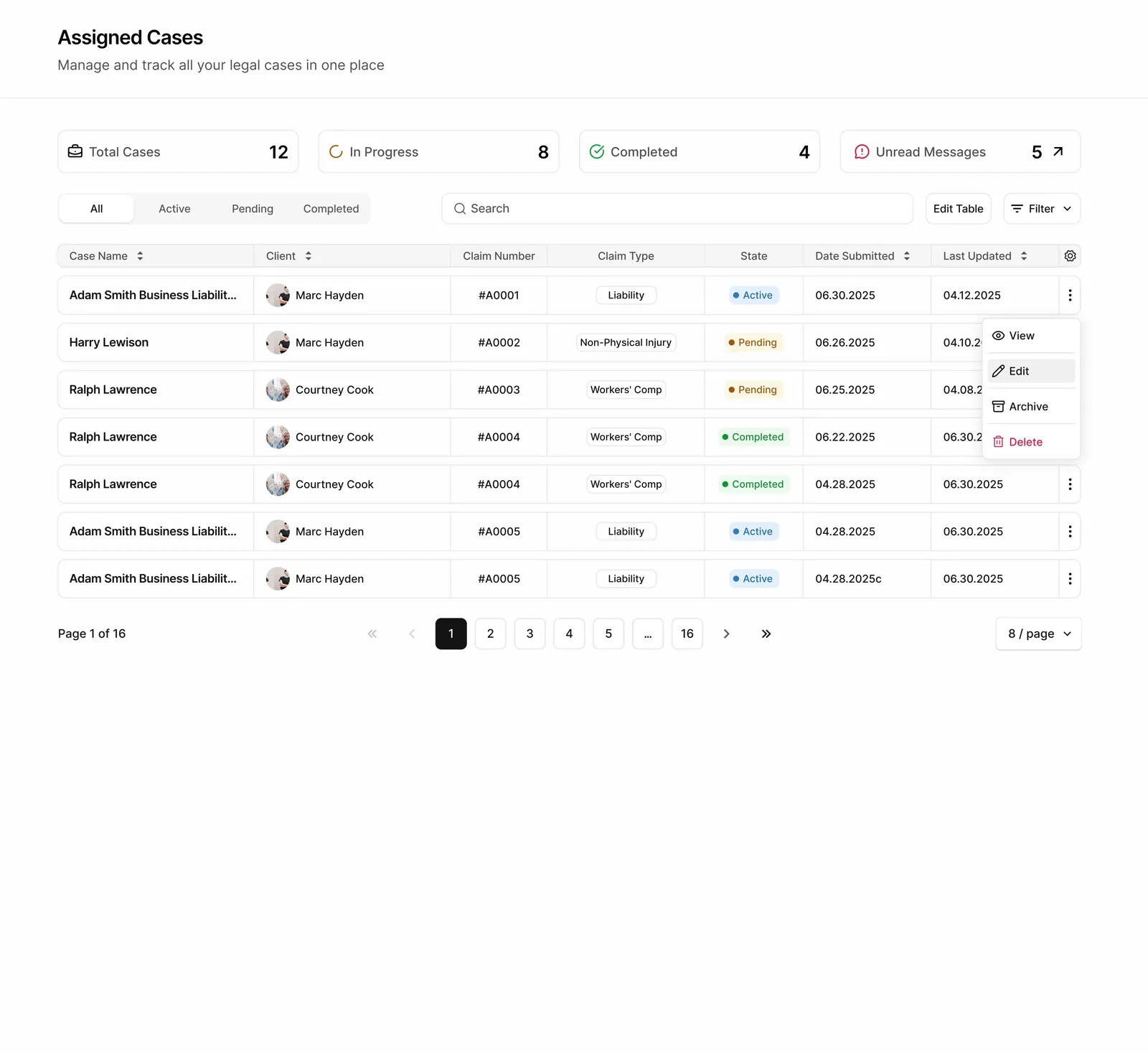
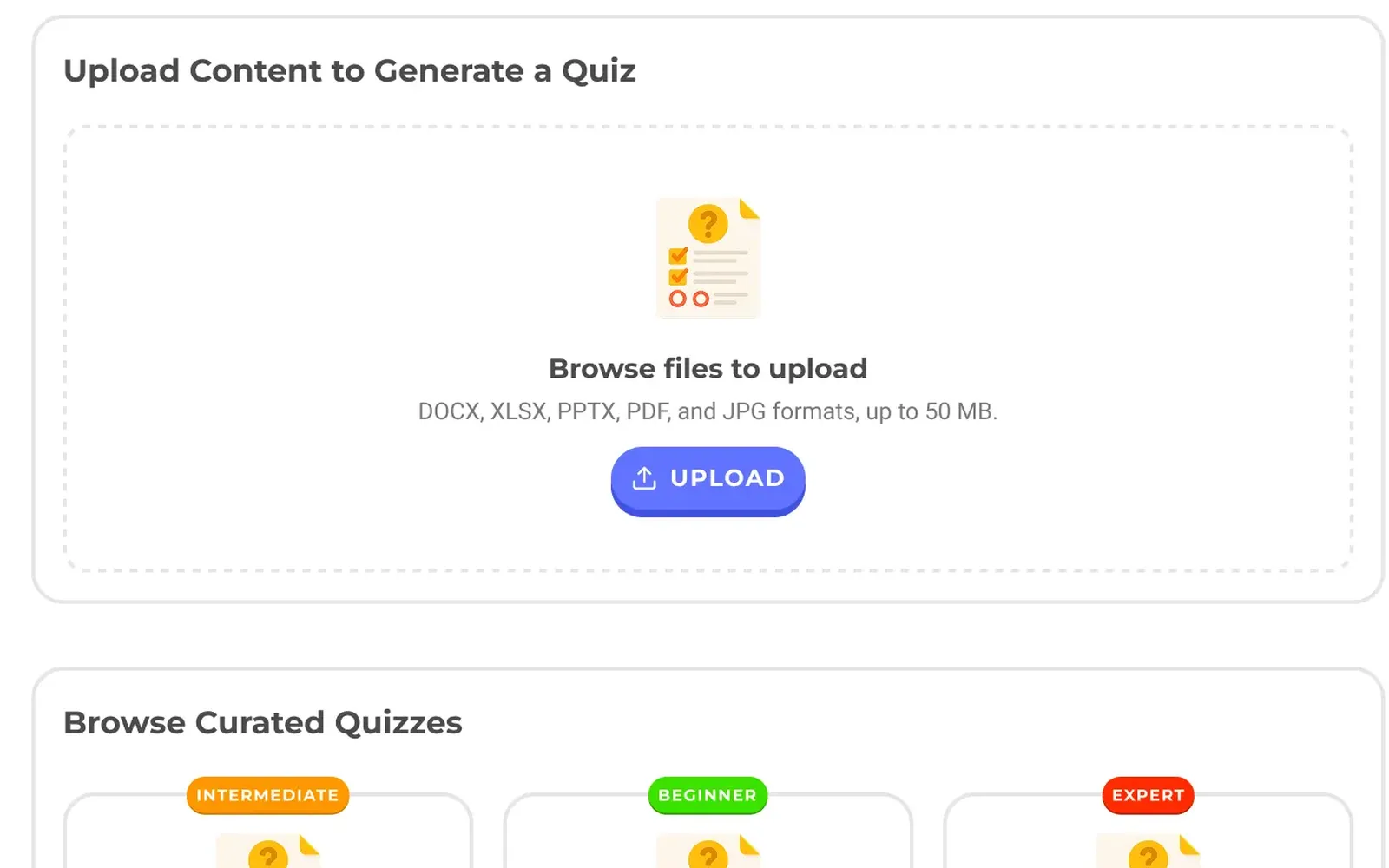

People who already do the work by hand and know exactly what the software has to do.
Tick what your platform needs. The weeks come from the shape of builds we have shipped, so you can see what you are asking for before anyone quotes it.
First version, live in
5 to 6 weeks
Later phases scoped on their own, each one live before the next starts.
Fast delivery and quality at the same time. Finally possible, because we are AI-native software engineers.
In itAccounts, roles, admin screen, deploy pipeline
FirstCode audit of your prototype, credited to the build
Yours day oneGitHub organisation, Vercel or AWS account, Stripe, Clerk, domain
Scope my platform with a founderWeeks are the shape of past builds, not a quote. Your scope on the call turns this into a date in writing.
The same modules come up in almost every build. Each one below names a platform we shipped it in.
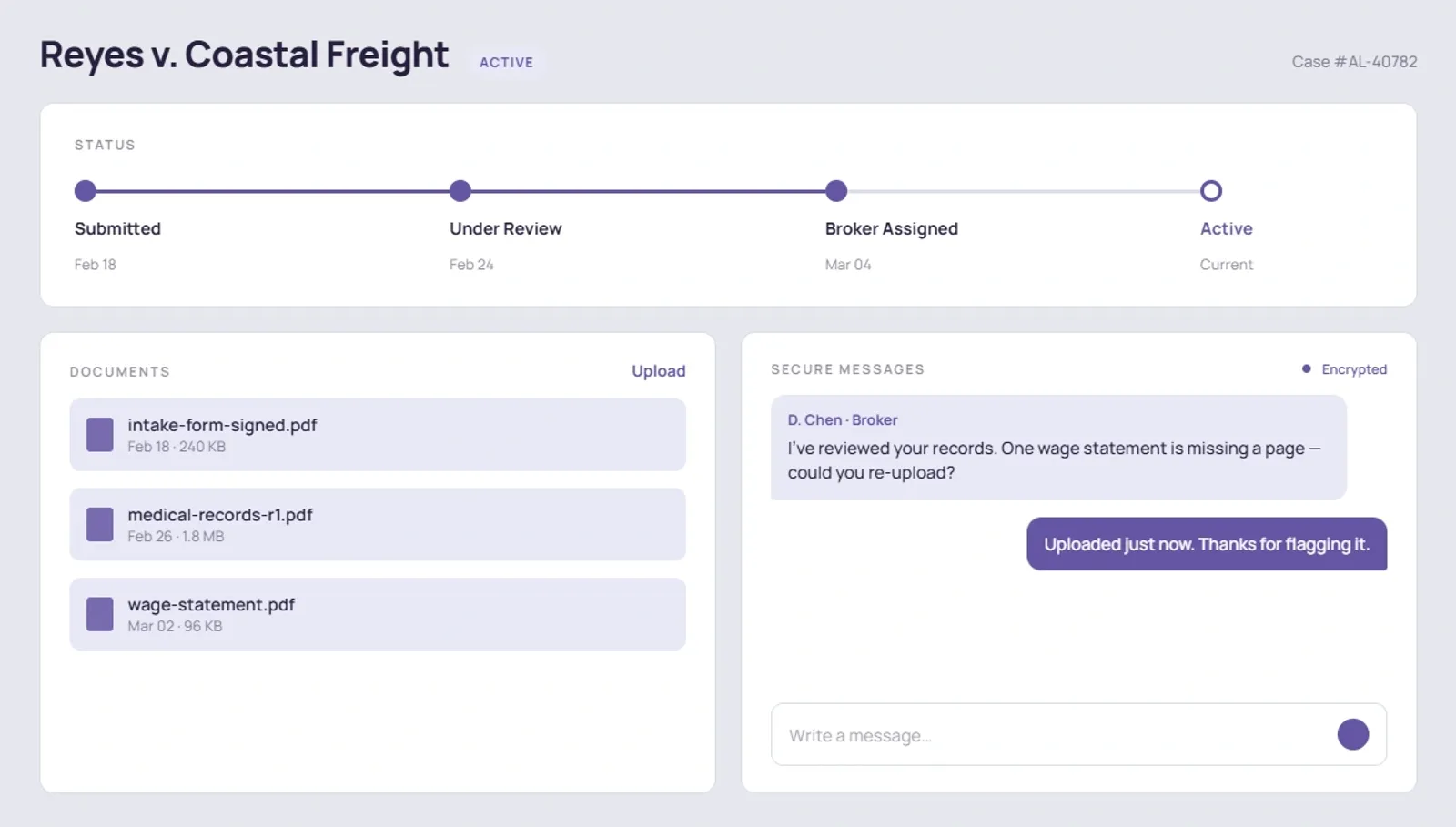
Separate sign-in and scoped screens for each kind of user. The case platform runs three: client, broker and admin.
Every customer company gets its own isolated data, members and billing. Built with Clerk organisations on a crew-scheduling SaaS.
Stripe plans, trials, metering and invoices. The AI learning platform sells access this way.
Encrypted storage in your own account, and search that answers in under 100 milliseconds across more than a million files on the legal search platform.
A drafting pipeline that runs your instructions on the server, cites the source document for every claim, and puts a review step in front of anything a client sees. The medical chronology engine is this shape.
Clio, MyCase, Filevine, Lawmatics, an EHR. We publish open-source connectors for the legal ones, so the sync code is already written and tested.
The question a lawyer or a clinician asks before uploading the first real file. The answer is the shape of the system, so here is the shape.
A bucket in your own cloud, encrypted at rest and in transit, isolated per tenant, with a retention rule you set and deletion that actually deletes.
The drafting rules that make your product yours live in a server-side secret store, versioned. A user cannot pull them out of the page, and we hold no copy after handover.
Through your backend, on a provider plan with training switched off and retention set to zero, and a business associate agreement where health data is involved. What that means with Claude.
Who opened which document, which draft was produced from it and when. An append-only log you can hand to a reviewer, a bar or a client.
Stripe handles the money and the tax. The platform handles who gets access to what. Both are set up in your name, so the revenue never passes through us.
The AI learning platform sells access this way to clinicians who need their credits tracked.
Standard tools a developer you hire next year already knows. Nothing exotic, nothing we have to be around to run.
| Language | TypeScript end to endOne language for the API, the UI and the jobs. Easier to hire for, easier to hand over. |
|---|---|
| App | Next.js on ReactServer-rendered screens, route handlers for the API, one deploy. |
| Services | Node where a separate service is neededLong-running jobs, document processing, integrations. |
| Data | Postgres with PrismaTyped schema, migrations in the repo, row-level isolation per tenant. |
| Auth | ClerkSign-in, organisations, roles, SSO when a client asks for it. |
| Billing | StripeSubscriptions, metering, tax, invoices. The account is in your name. |
| Hosting | Vercel or AWSYour account, your region, your bill. |
| Search | Elasticsearch or Postgres full-textChosen by document volume, not by habit. |
Platforms we shipped in 2024 and 2025 run on Laravel and Vue. We maintain and extend them, and if yours is one of them it stays on it. Our production checklist for those.
The same shape for every build. Dates and acceptance criteria are written before work starts, and the people on the scoping call are the people at launch.
Your method, your users, the modules that make version one. You get the scope and the date in writing.
Keep the scope either wayRepositories and cloud accounts in your name. Sign-in, roles, the admin screen and a deploy pipeline before any feature.
Yours from the first milestoneEach milestone has written acceptance criteria and a weekly demo on real-looking data. Same engineers from scoping to launch.
A milestone you do not accept is not billedProduction checks, monitoring, the runbook and a recorded walkthrough for whoever runs it next.
Documented for your next hireA monthly plan for monitoring, patches and the next features. Cancel it and the software stays yours.
No per-seat fee, everCentral European hours, which overlap US Eastern mornings. Daily monitoring on your cloud, an architecture that keeps working when a third-party API is down, and a named incident contact in the agreement for the cases where something is actually down.

Usually, yes, and the audit comes first. We read the code, run what tests exist, and check how it handles sign-in, documents and payments. What passes stays. What does not gets rewritten, with the reasons in writing. You decide, and the audit is credited to the build.
We use Claude Code on every build too. What you pay us for is the part the tool does not do: the scope, tenancy and billing design, a security review before a client document goes in, a date someone is accountable for, and a person on call after launch.
Prototype already holding health data? That has its own page.
Client names stay masked. The numbers and the screens are real.
17-person firm, more than a million files. Results in under 100 milliseconds. Live in 10 weeks. $224K a year recovered in billing the old search was losing.
Client, broker and admin portals for a structured settlement company. Encrypted documents, secure messages, full audit log. Intake went from days to hours. Live in 8 weeks.
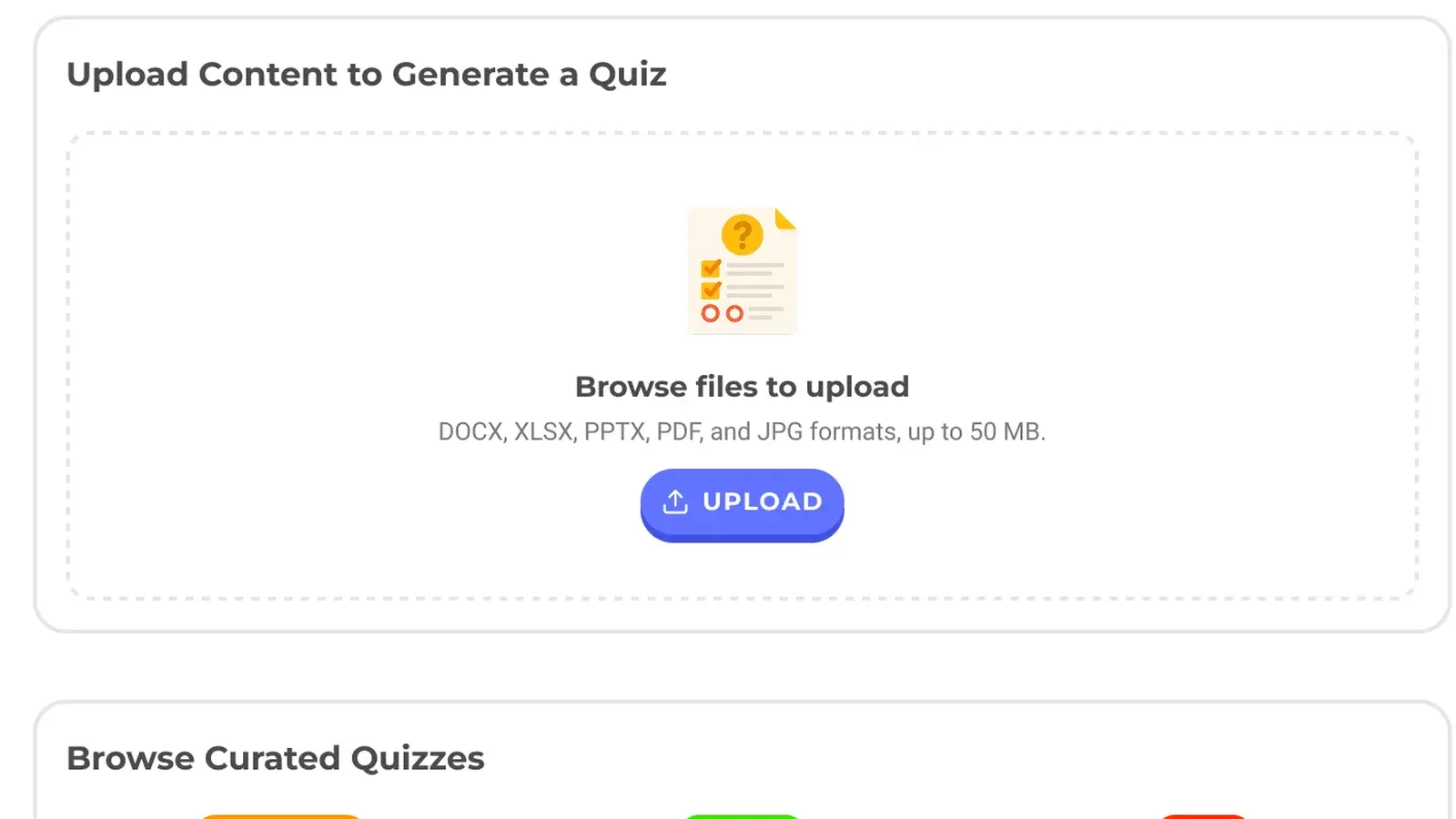
Quizzes generated from uploaded documents, source verification, credit tracking, subscriptions. Live in 12 weeks.
[ FAQ ]
TypeScript end to end: Next.js on React, Postgres with Prisma, Clerk for sign-in and organisations, Stripe for billing, hosted on Vercel or AWS in your own account. Every platform we started this year runs on it. Platforms we shipped in 2024 and 2025 run on Laravel and Vue, and we still maintain and extend those.
Only the parts that fail review. We start with a code audit: what passes tests and a security read stays, what does not gets rewritten, and you get the reasons in writing before anything changes. Most agencies push a full rewrite because it is easier for them. You should not pay twice for code that already works.
The engineers who scope the build are the engineers who ship it. You meet them on the scoping call, they run the weekly demo, and they hand over at launch. One of the two founders is on every build and answers for it.
The builder above gives the shape: a first version with accounts, roles, billing and one or two core modules lands in a few weeks, and a platform with documents, AI drafting and search takes longer. Anything past about eleven weeks we split into a phase one that goes live and later phases scoped on their own, so you can fund one, see it work, and decide.
Your drafting instructions live on the server, in a secrets store in your own account, and the browser only ever receives the finished output. Documents sit in a bucket in your cloud account, encrypted and isolated per tenant, with a retention rule you set. Model calls go through your backend to a provider plan with training switched off and, where health data is involved, a business associate agreement. Every read and every draft is logged with a name and a time.
Yes. Plans and trials, per-seat or usage metering, invoices and failed-payment retries, tax through Stripe Tax, and a billing page your customers can use without emailing you. The Stripe account is opened in your name on day one.
Launch week ends with a runbook, a recorded walkthrough and a handover call. After that there is a monthly plan for monitoring, patches and the next features. You can cancel it and keep the software, because the repositories, the accounts and the data were yours from the first milestone.
Central European time, which overlaps US Eastern mornings. We do not sell round-the-clock coverage we cannot staff. What you get instead: daily monitoring on your cloud so we see problems before users do, an architecture that keeps working when a third-party API is down, and a named incident contact in the agreement for the cases where something is actually down.
We use it on every build too. What you pay us for is the part the tool does not do: the scope, tenancy and billing design, a security review, a date someone is accountable for, and a person on call after launch. The tool makes a good team faster. It does not make a half-finished product safe to put client documents into.
Yes, all three, from the first paid milestone. The GitHub organisation, the Vercel or AWS account, the Stripe account, the Clerk workspace and the domain are created in your name. IP is assigned per milestone in the contract. If you ever want to stop working with us, nothing has to be moved.
You leave with a written scope and a straight answer on whether we are the right team for it. If we are not, we say so and point you somewhere better.
Scope my platform with a founderTwo builds at a time. Starts are scheduled, not sold.