For lawyers who built something that works
Your method stays on our server, never in a subscriber's hands. Accounts, Stripe and code in your name. We take a Claude Project, a Claude skill or a custom GPT that works on your laptop and make it something other lawyers log into and pay for.
Get my free Sell-Ready ReviewFree, under NDA both ways. A written answer within a week: what the product needs, how many weeks, and what each run costs.

The method is the hard part, and you already did it. Everything around it is what lets a stranger pay for it without seeing it.
A Claude skill is a folder of text files, and a shared Project shows its instructions to whoever is in it. A custom GPT looks closed, but it is not. When researchers at Northwestern tested custom GPTs in 2023, they got the system prompt out of 210 of 216 (97.2%), and the uploaded files out of all 24 they tried.
The only way to sell a method without giving it away is to keep it on a server you control and send customers the result. That is most of what the build is.
What happens when you share a Claude skill97.2%
of custom GPTs gave up their system prompt when asked the right way.
Yu et al., "Assessing Prompt Injection Risks in 200+ Custom GPTs", Northwestern University, 2023. arXiv 2311.11538
Firms buying a legal AI tool ask the same things, in roughly this order. The product should answer them before the call.
Not on day one, and a serious buyer knows that. What you can hand over: a security packet, the list of every service that touches their data, the model provider's data terms in writing, and a date for a Type 1 audit. We build the product so the audit is paperwork, not a rebuild.
SOC 2 for an early-stage productBoth ways, before you show us a page of your method. Your customers will ask you the same question about their files, so the product ships with the answer: who sees what, where it is stored, and for how long.
You do. Cloud, domain, Stripe, the model provider account and the code repository are opened in your name from the first milestone. If we disappeared tomorrow, any developer could pick it up from your accounts.
No. The method runs on the server; the subscriber's screen receives the output. Before launch we attack it the way a curious customer would, asking it to reveal its instructions and files, and fix whatever leaks.
The number nobody gives you, and the one your subscription price depends on. A method of several hundred pages is around 400,000 tokens. Read in full on every run, that is real money per output. Prompt caching charges the repeated part at a small fraction of the price, and that one setting can decide whether the business works.
The review measures it on your own sample matters, so the price you set is arithmetic.
Work out your own cost per runOne run, a 400,000-token method, Claude Opus 5.5
Input for the method only, at Anthropic's list price of $4 per million input tokens and $0.20 per million cached reads, checked 28 October 2026. Documents and output come on top.
Three shapes this takes. Yours will differ in the details and match in the build.
TodayHundreds of pages of rules a litigator wrote for how motions should read
The productDrafts that follow the rules, sold to other litigators by subscription
TodayThe questions an immigration lawyer asks, in the order that works
The productA client questionnaire that turns into a case summary the firm can act on
TodayA tax attorney's template and checklist, refined over years
The productFirst-draft memos in the house voice, for small firms without a specialist
Every step has written criteria and an exit for you. No price on this page because the honest one depends on the method; you get it in writing after the review.
Under NDA. We read the Project or skill and test it on your own sample matters. You get a written answer: what the product needs, how many weeks, and what each run costs at current model prices.
Free. Keep it either way.A fixed scope, a fixed price and a date. Every milestone has acceptance criteria you can read without a developer.
No hourly billingLogins, the server that keeps your method private, billing, the run log, your branding. Accounts in your name from the first milestone.
You see it working every weekInstructions tested for leaks, costs measured on real runs, terms and privacy page drafted for your lawyer to review.
The code is yoursUpdates when the model changes, fixes, new features. Cancel it and you keep everything.
No lock-inClient names stay masked. The numbers and the screens are real.
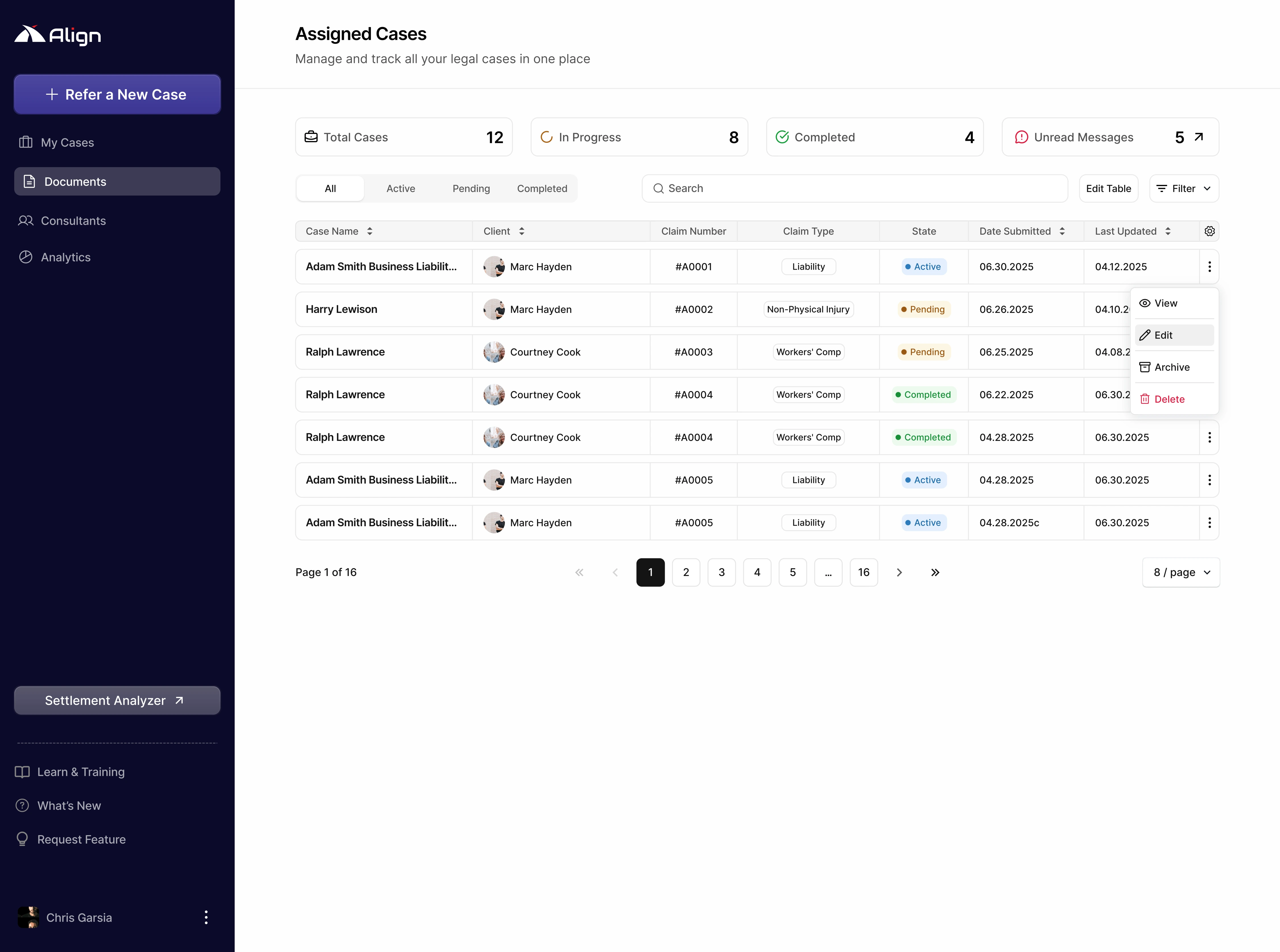
Client, broker and admin portals with an audit log and role-based access. Live in 8 weeks. Passed audit.
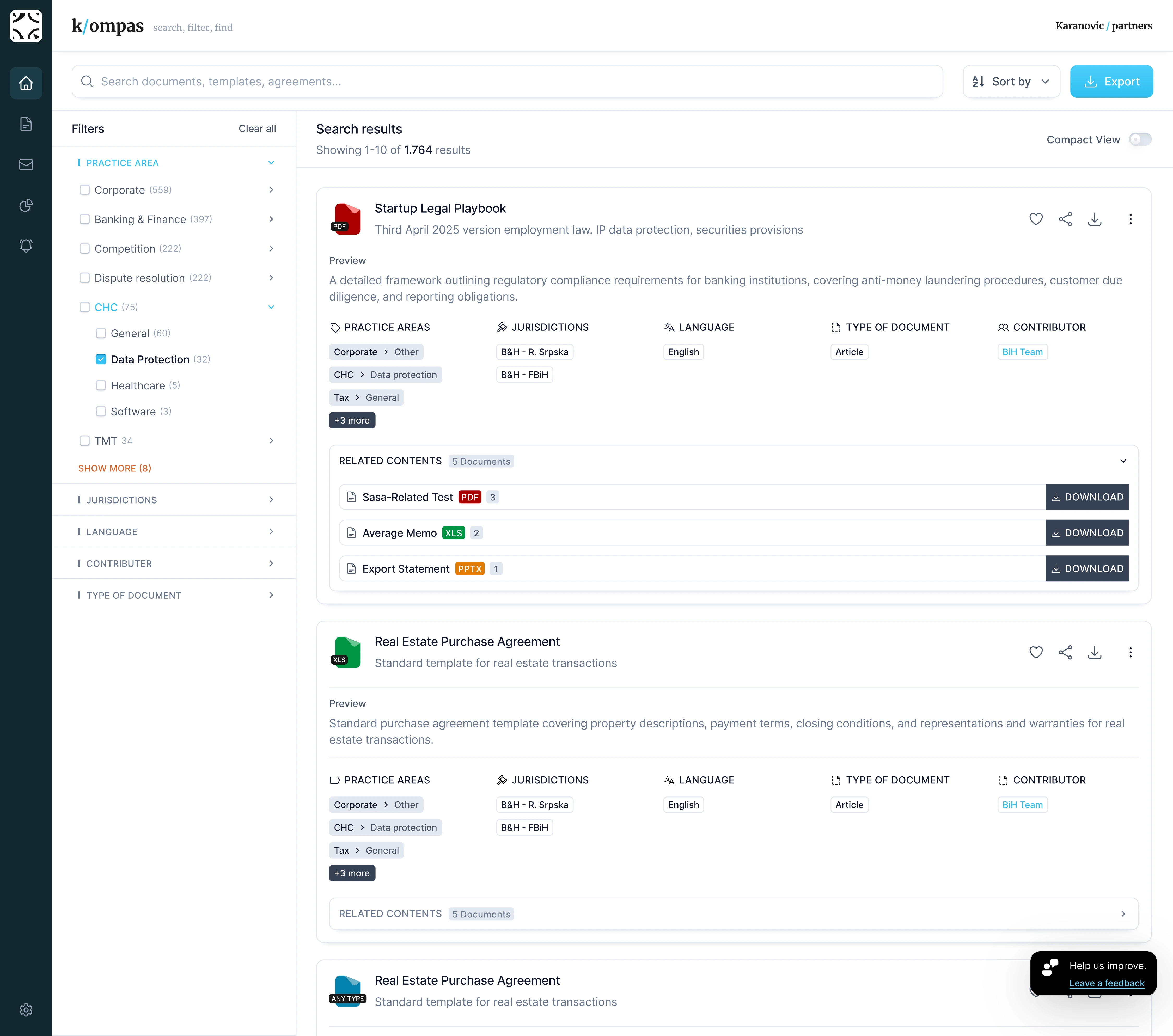
15 years of documents, results under 100 milliseconds, live in 10 weeks, owned by the firm.
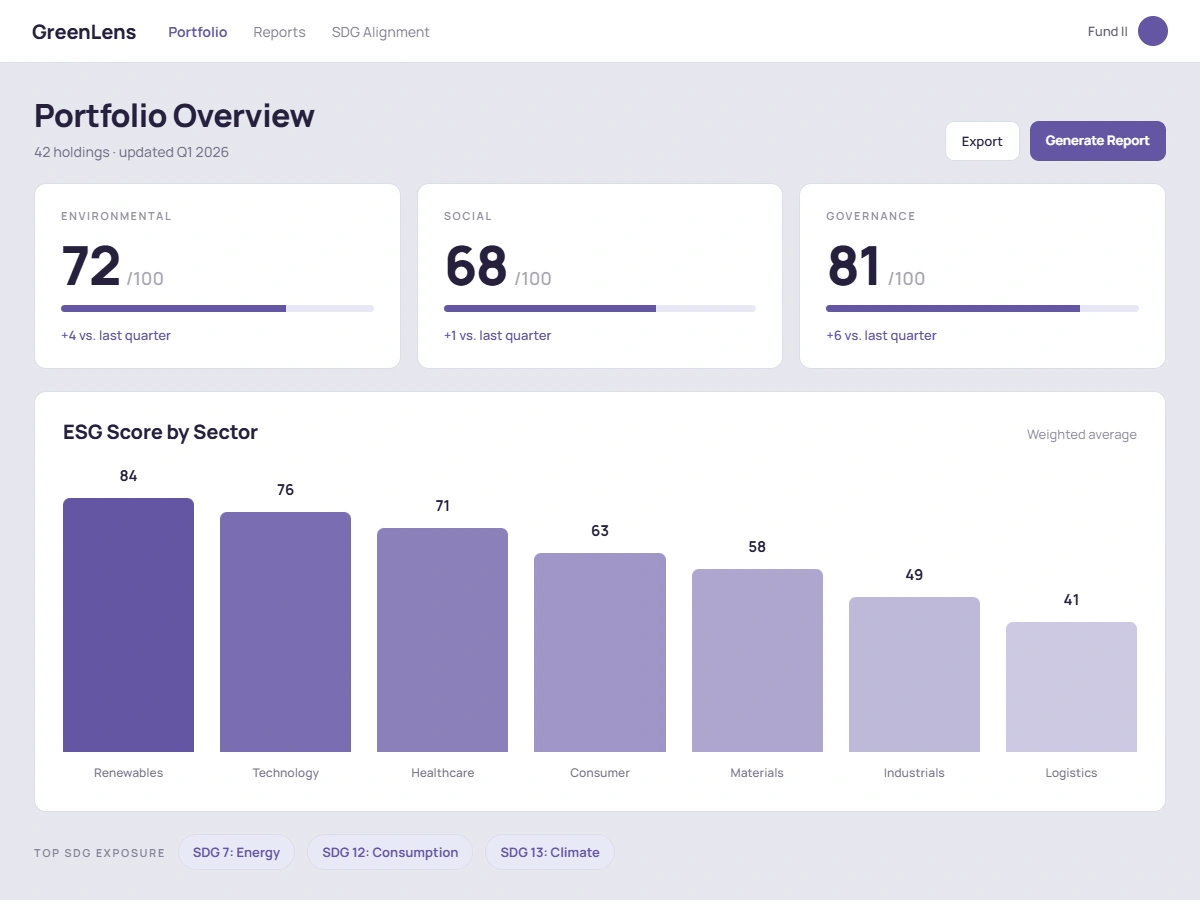
Replaced an Excel and PowerApps workflow. PDF reports in under 3 seconds, live in 10 weeks.
Tell us what your method does in a line or two. Leave the confidential detail out; that comes after the NDA.
Petar replies to within one business day with our NDA, or a request for yours.
Something urgent? Write to office@oktopeak.com.
[ FAQ ]
No. Most lawyers who build these wrote the method in plain English inside Claude or ChatGPT, and some put a website in front of it with a site builder. That is the right way to prove the idea. The product build is our job; your job is the method and the customers.
Only after an NDA signed both ways, and only the people working on your product. We need to read it to build the server around it and to measure what it costs to run. It stays in your accounts, not ours.
No, but most lawyer-built methods today are written for Claude and run best on it. During the review we run your sample matters on the current Claude models and, if it matters to your price, on a cheaper one, and show you the difference in output and cost side by side.
It depends on how big your method is and how big the documents are, and the review gives you the number. As a rule of thumb at Anthropic's list prices on 28 October 2026: a method of several hundred pages is around 400,000 tokens. Read in full on every run by Claude Opus 5.5, that input costs about $1.60 a run; with prompt caching, the repeated part drops to about $0.08. The documents and the output come on top. Your subscription price should come from that arithmetic, not from a guess.
A fixed price, in writing, after the free review, because the honest number depends on the method. Most first versions take six to ten weeks. We do not bill by the hour.
Yes. Keep using it and keep improving it. The product reads the latest version of your instructions, so the work you do in the meantime is not lost.
Selling software to lawyers is a business, but how you market it, who uses it, and whether you share fees can raise questions under your state's rules on fee sharing and unauthorized practice. Ask your bar's ethics counsel before launch. We build the product; we do not give that advice.
We built it for lawyers first, because legal methods are long, precise and valuable. The same build works for any expert whose method lives in a Claude Project or a custom GPT: medical-legal reviewers, consultants, compliance specialists.
